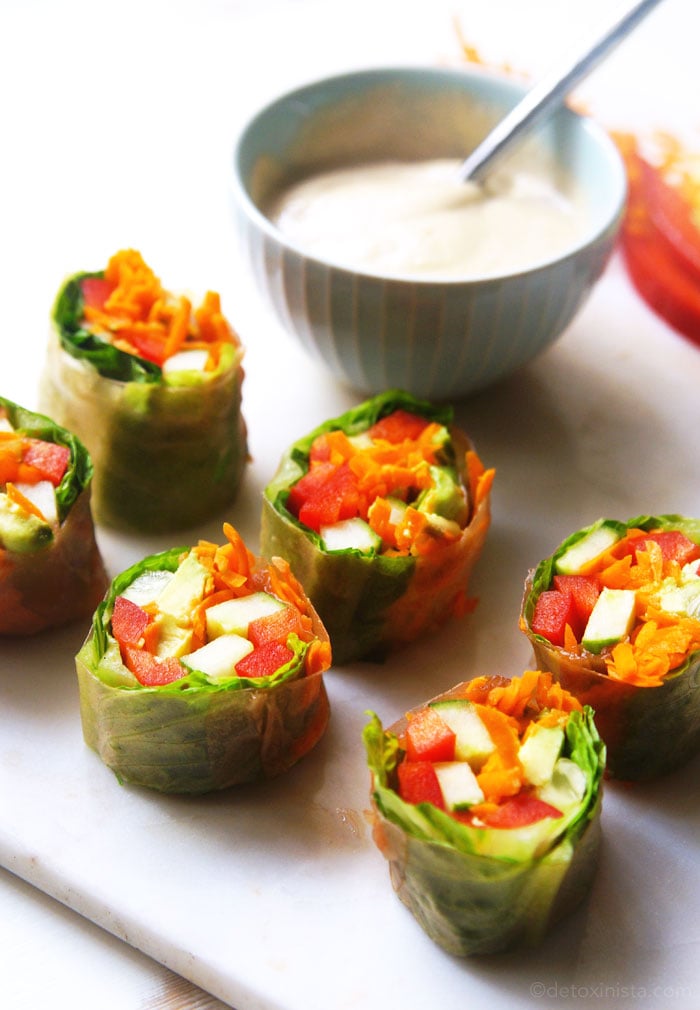
Unwrap Deliciousness: Crafting Perfect Veggie Salad Rolls with Peanut Sauce
Imagine a meal that’s vibrant, refreshing, incredibly healthy, and bursting with flavor – all conveniently packaged into a hand-held delight. We're talking about fresh
homemade garden veggie spring rolls, often known as salad rolls or summer rolls, served with a luscious, creamy peanut dipping sauce. These delightful parcels are a fantastic way to enjoy a medley of fresh vegetables, offering a satisfying crunch and a light, wholesome experience that transcends the ordinary salad. If you've ever bought these delicious rolls from a gourmet grocery store and found your wallet a little lighter, you're in for a treat. Making garden vegetable salad rolls with peanut dipping sauce at home is not only incredibly cost-effective but also immensely rewarding and surprisingly easy once you get the hang of it.
The Allure of Fresh Garden Vegetable Salad Rolls
What makes these fresh rolls so irresistible? For starters, they are a nutritionist's dream. Packed with raw, nutrient-dense vegetables, they offer a significant dose of vitamins, minerals, and fiber without any heavy frying. Unlike their often-fried counterparts, egg rolls, these fresh spring rolls are typically *not* fried, making them a light and guilt-free option. This distinction is crucial, transforming them from an indulgent appetizer into a truly wholesome meal or snack. You can delve deeper into this comparison by exploring
Healthy Hand-Held Salad: Fresh Spring Rolls vs. Fried Egg Rolls.
Many people consider these rolls a "hand-held salad," offering all the goodness of a crisp garden salad but in a much more exciting and portable format. They are naturally gluten-free (just ensure your peanut sauce ingredients are too!), making them suitable for various dietary needs. Beyond the health benefits, there's the sheer joy of customization. Each roll is a canvas, ready to be filled with your favorite crunchy, leafy, and aromatic ingredients. And let's not forget the star of the show: the rich, savory, and slightly sweet peanut dipping sauce that elevates every bite. This combination of fresh textures and bold flavors creates a culinary experience that’s both invigorating and deeply satisfying.
Essential Ingredients for Your Perfect Roll
Crafting the ideal garden vegetable salad roll begins with selecting the right components. While the beauty of these rolls lies in their adaptability, a few core ingredients are essential for that authentic taste and texture.
The Wrapper: Delicate Rice Paper
The foundation of your fresh rolls is rice paper. These thin, translucent sheets, typically made from rice flour and water, are what hold all the delicious fillings together. You can find them in various sizes and sometimes in white or brown rice varieties. Opt for a size that feels manageable for rolling. They become pliable and slightly sticky when hydrated, making them perfect for wrapping.
The Vibrant Veggies: A Rainbow of Freshness
This is where you can let your creativity shine! The key is to select a mix of crunchy, leafy, and aromatic vegetables to create a symphony of textures and flavors.
- Carrots: Shredded or julienned for a sweet crunch and vibrant color.
- Cucumbers: Thinly sliced into sticks for a refreshing, cool element.
- Bell Peppers: Red, yellow, or orange bell peppers, thinly sliced, add sweetness and a pop of color.
- Cabbage: Finely shredded green or red cabbage offers a delicate crunch.
- Avocado: Sliced avocado provides a creamy texture and healthy fats, balancing the crispness of other veggies.
- Fresh Herbs: Cilantro and mint are classic choices, offering bright, aromatic notes. Basil is also a wonderful addition.
- Leafy Greens: Romaine lettuce or spring mix leaves provide a soft base and traditional salad feel.
- Mango: When in season, thinly sliced fresh mango adds an unexpected, delicious sweetness that complements the savory elements beautifully.
- Optional Additions: Consider bean sprouts for extra crunch, blanched rice vermicelli noodles for substance, or even a protein like thinly sliced baked tofu, shrimp, or chicken for a more complete meal.
The trick is to prepare all your vegetables in uniform, thin slices or shreds so they fit neatly into the roll without tearing the delicate wrapper.
The Star: Homemade Peanut Dipping Sauce
A good peanut sauce is the soul of these rolls. It’s a flavor bomb that ties everything together. While exact recipes vary, a classic peanut sauce often includes:
- Creamy Peanut Butter: The base.
- Soy Sauce or Tamari: For umami and saltiness.
- Lime Juice: For brightness and tang.
- Sweetener: Honey, maple syrup, or a touch of brown sugar to balance the flavors.
- Aromatics: Grated fresh ginger and minced garlic for depth.
- Spice (Optional): Sriracha or chili garlic sauce for a kick.
- Thinning Agent: A splash of warm water or coconut milk to achieve the perfect dipping consistency.
Preparing this sauce is usually the first step, as it allows the flavors to meld and ensures it’s ready to go the moment your rolls are finished. Just whisk or blend all ingredients together until smooth and adjust seasoning to your liking.
Mastering the Art of Rolling: A Step-by-Step Guide
Making garden vegetable salad rolls might seem intimidating at first, but with a little practice, it becomes intuitive and even therapeutic. Don't be discouraged if your first few rolls aren't perfect – they'll still taste amazing!
1. Prep Everything First
This is arguably the most critical step. Have all your sliced and shredded vegetables neatly arranged on a platter. Your peanut sauce should be prepared and ready. Set up a clean, flat working surface – a large cutting board or a clean kitchen towel works best. Also, have a shallow dish or a wide bowl filled with warm water ready for hydrating the rice paper.
2. Hydrating the Rice Paper
Work with one sheet of rice paper at a time. Briefly dip it into the warm water for about 10-20 seconds. You don't want it to be fully soft and floppy yet; it will continue to soften as you work with it. If it’s too soft initially, it will be harder to handle and more prone to tearing. Once it feels slightly pliable but still has some structure, gently transfer it to your prepared working surface.
3. Arranging the Filling
This is where the magic happens. Think strategically about your layers. Place a small amount of your desired fillings in the lower-middle section of the rice paper, leaving ample space on the sides for folding. A common technique is to start with a leaf of lettuce, then layer your colorful veggies (carrots, cucumber, bell pepper, avocado), a sprinkle of herbs, and perhaps some mango or noodles. The key here is *not to overfill*. Overfilling is the most common reason for torn wrappers. Less is more when you're starting out.
4. The Rolling Technique
- Fold the Bottom: Gently lift the bottom edge of the rice paper and fold it up tightly over the filling. Tuck it in snugly.
- Fold the Sides: Next, fold in the left and right sides of the rice paper towards the center, creating a neat envelope shape.
- Roll it Up: Starting from the bottom, firmly but gently roll the entire package upwards towards the top edge. Keep the roll tight as you go, ensuring the fillings remain compact. The natural stickiness of the wet rice paper will help seal the roll.
Repeat this process for each roll. Remember, perfection isn't the goal, deliciousness is!
5. Serving Your Masterpiece
Once all your garden vegetable salad rolls are complete, you can serve them whole or, for easier dipping and presentation, slice them in half diagonally with a sharp knife. Arrange them beautifully on a platter with your irresistible peanut dipping sauce on the side. These rolls are best enjoyed fresh, shortly after being made, as the rice paper can dry out or become overly soft if left too long.
Beyond the Basics: Tips, Variations, and Serving Suggestions
Making fresh veggie salad rolls is a delightful culinary adventure, and there's always room to experiment and personalize.
*
Get Creative with Fillings: Don't limit yourself to the classics. Experiment with roasted sweet potato, blanched asparagus, thinly sliced radishes, grilled corn, or even a sprinkle of toasted sesame seeds for an extra nutty flavor. For proteins, consider grilled shrimp, shredded chicken, or marinated tofu.
*
Herb Power: Beyond cilantro and mint, try Thai basil, chives, or even a touch of dill for different aromatic profiles.
*
Sauce Variations: While peanut sauce is king, don't hesitate to explore other dipping sauces. A sweet chili sauce, a ginger-soy vinaigrette, or even a light miso dressing can be fantastic alternatives.
*
Storage Tips: If you're making them ahead of time, store the rolls individually wrapped in a damp paper towel within an airtight container in the refrigerator for up to a day. This helps prevent them from drying out or sticking together.
*
Party Perfect: These fresh rolls are a fantastic appetizer or light lunch for entertaining. They're visually appealing, easy to eat, and cater to a wide range of dietary preferences.
Conclusion
Crafting your own garden vegetable salad rolls with peanut dipping sauce is a truly rewarding experience. From the satisfaction of creating something beautiful and delicious from scratch to the sheer joy of biting into a fresh, vibrant, and incredibly healthy meal, these rolls offer so much more than just food. They're an invitation to embrace fresh ingredients, experiment with flavors, and enjoy a wholesome, hand-held feast. So gather your ingredients, take a deep breath, and get ready to unwrap deliciousness, one perfect veggie roll at a time!